The article on The Guardian's website.

The Plastic Waste Overtaking New York and the People Trying to Curb it
VIEW THE ARTICLE
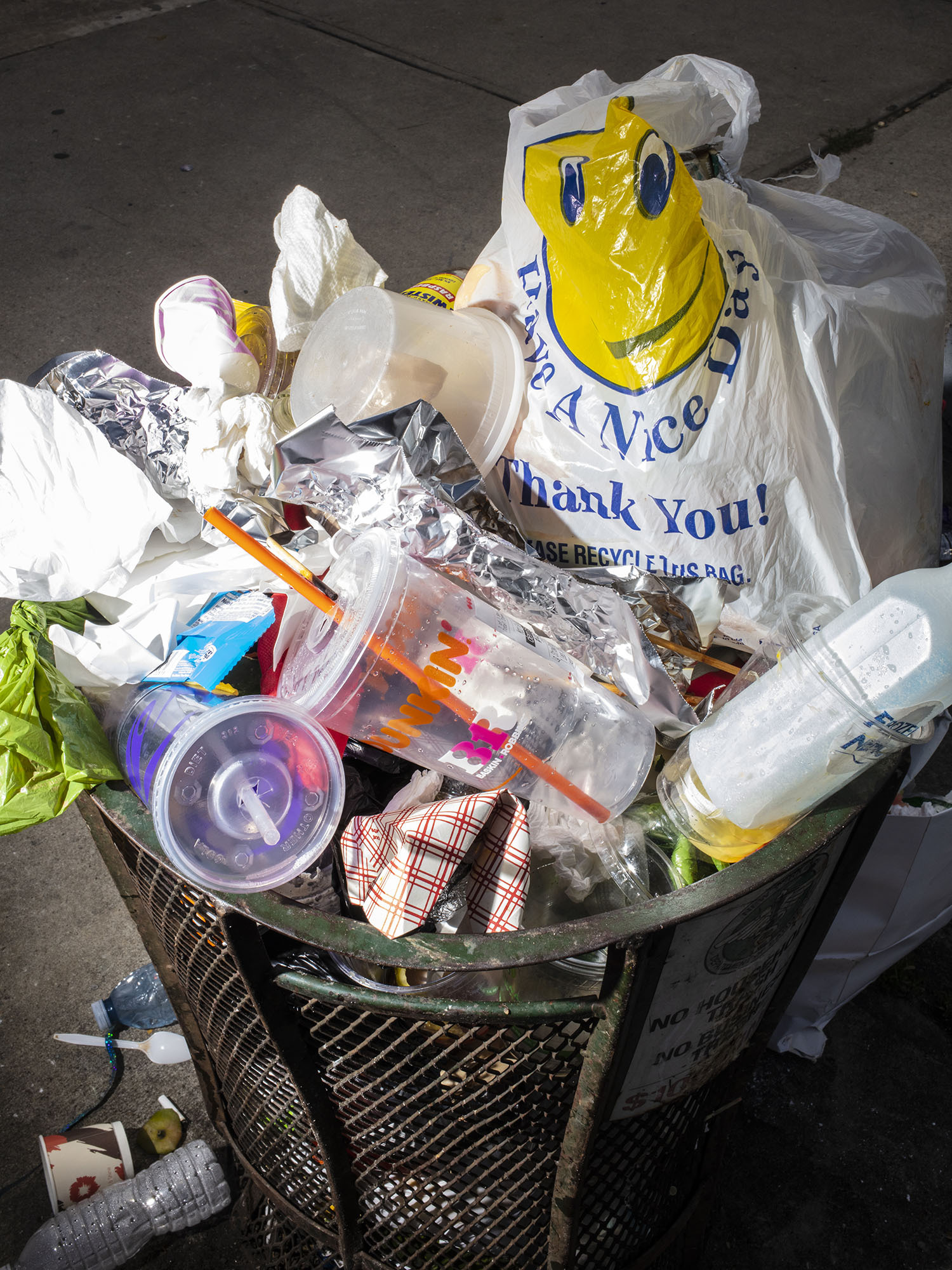
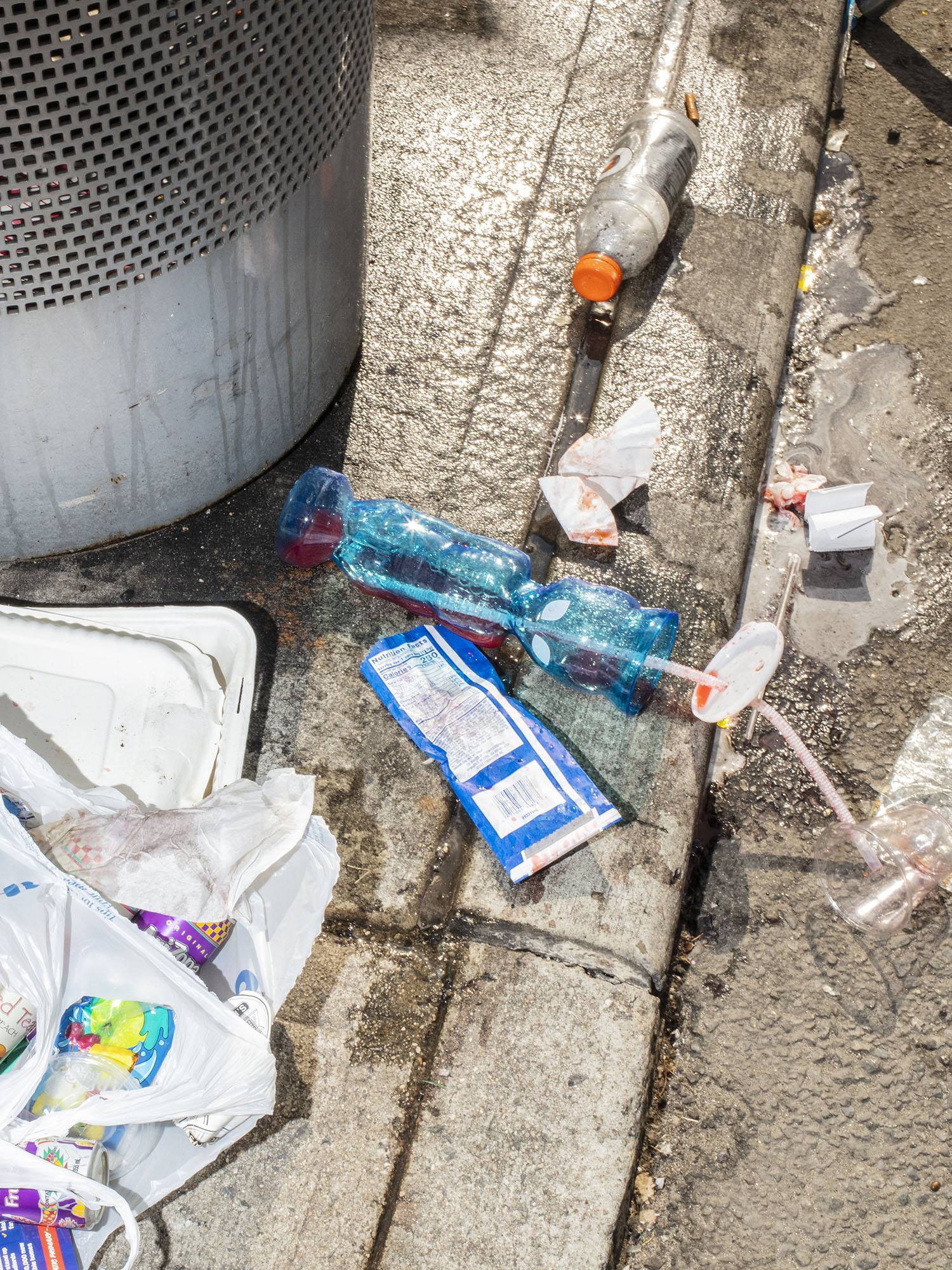
Plastic is made primarily from fossil fuels, yet only a small fraction of it is ever recycled. Globally, less than 10% of plastic waste is recycled. Most is landfilled, burned, or otherwise discarded, while production continues to grow.
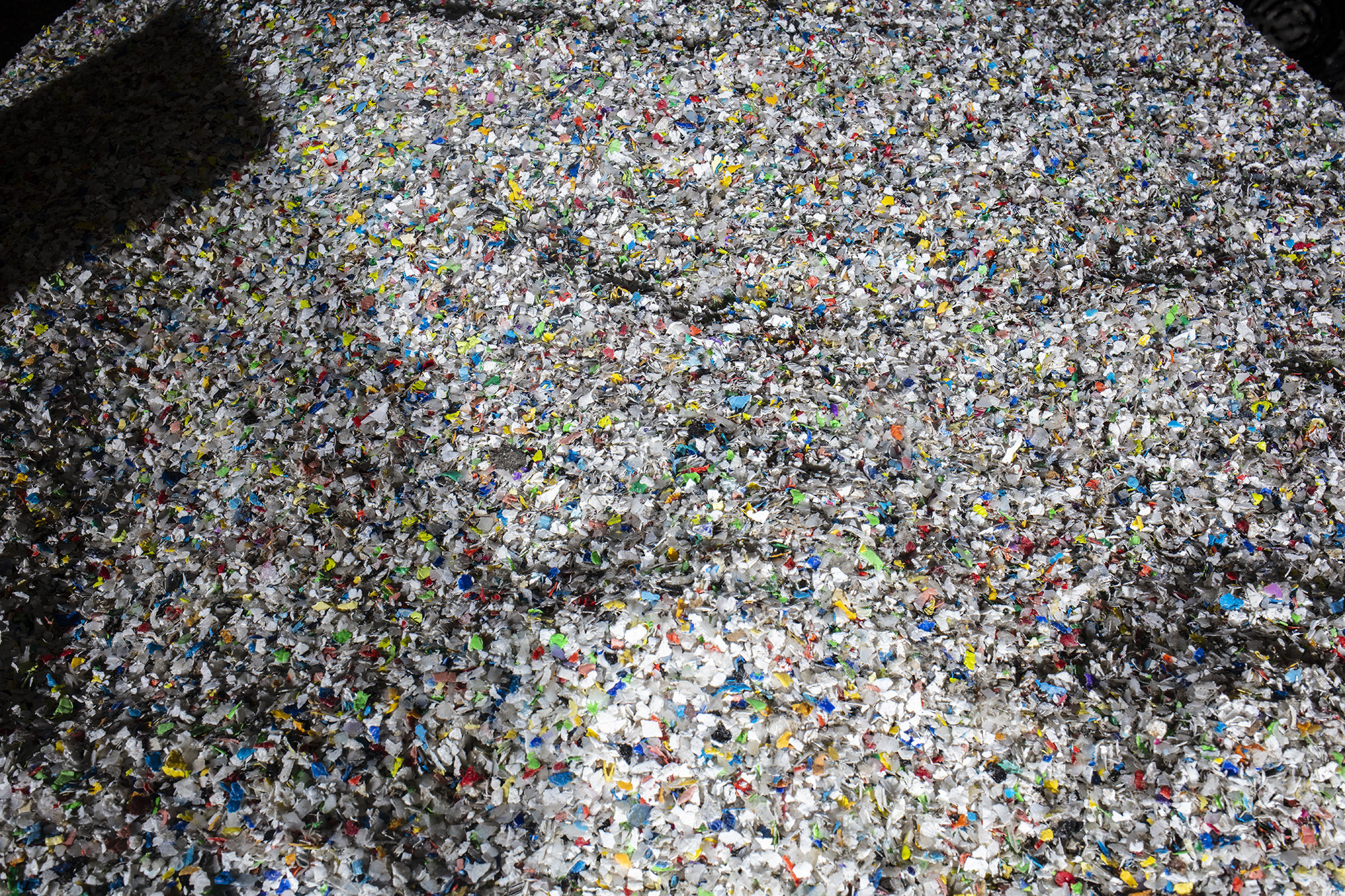
Pellets of recycled plastic at the Ced-Lo recycling facility in Farnham, Québec, Canada. Ced-Lo is a specialized plastic recycling plant that processes discarded plastics into raw materials for manufacturing new products. The facility works with TerraCycle, a U.S.-based company that collects items often excluded from conventional recycling programs, such as food wrappers and other difficult-to-recycle packaging. Rather than processing most of the waste itself, TerraCycle relies on a network of independent facilities, including Ced-Lo, to transform collected plastics into reusable materials.
Plastics and chemical industry groups have lobbied against legislation that would require packaging manufacturers to help pay for collecting and recycling their products.
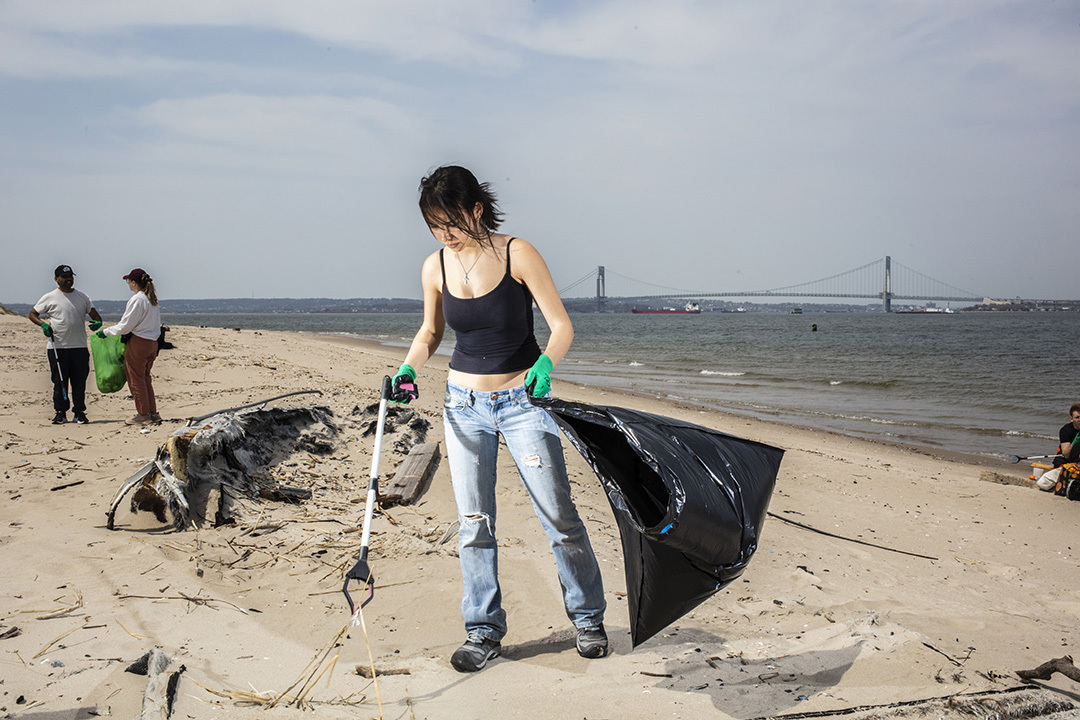
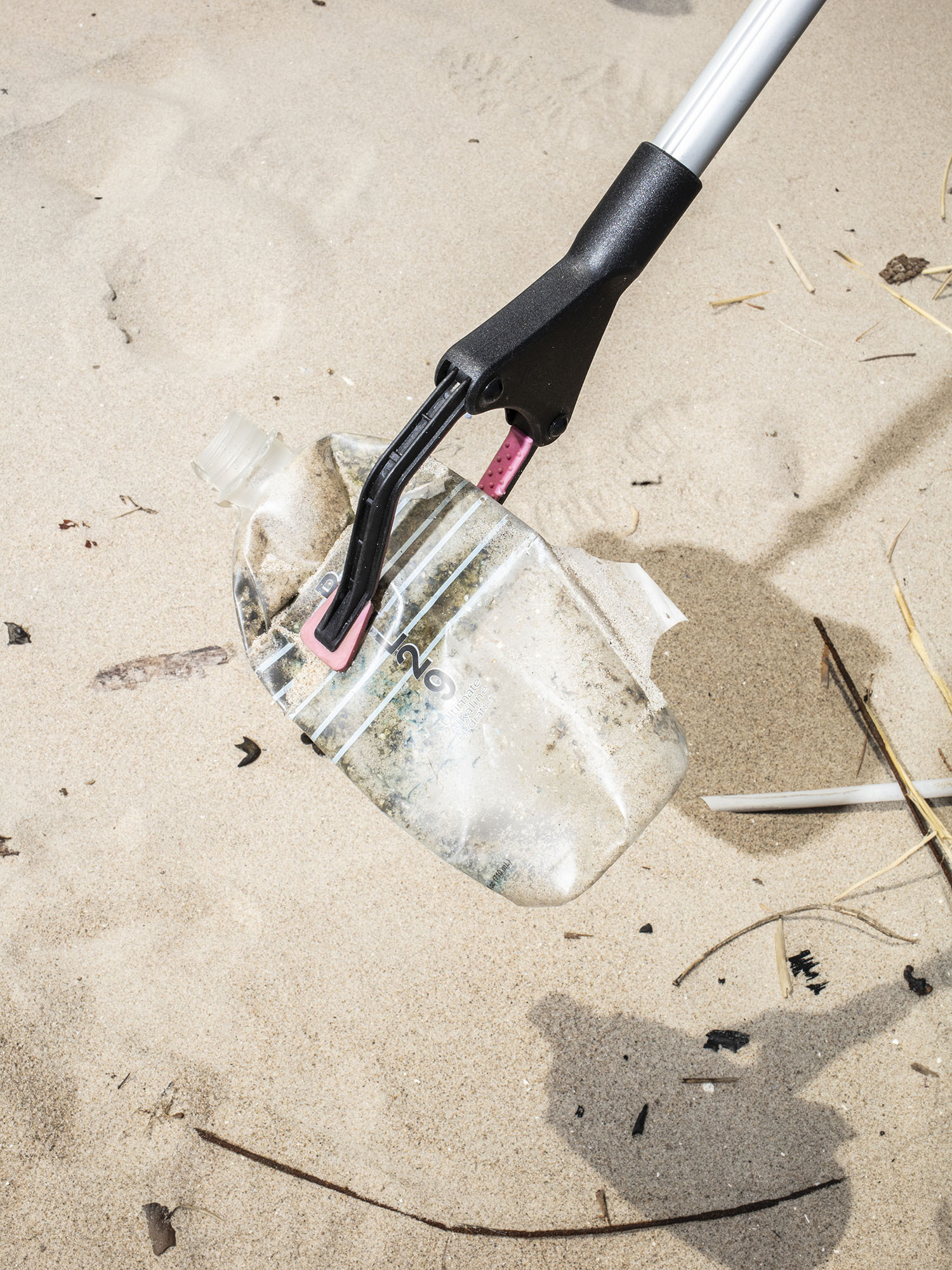
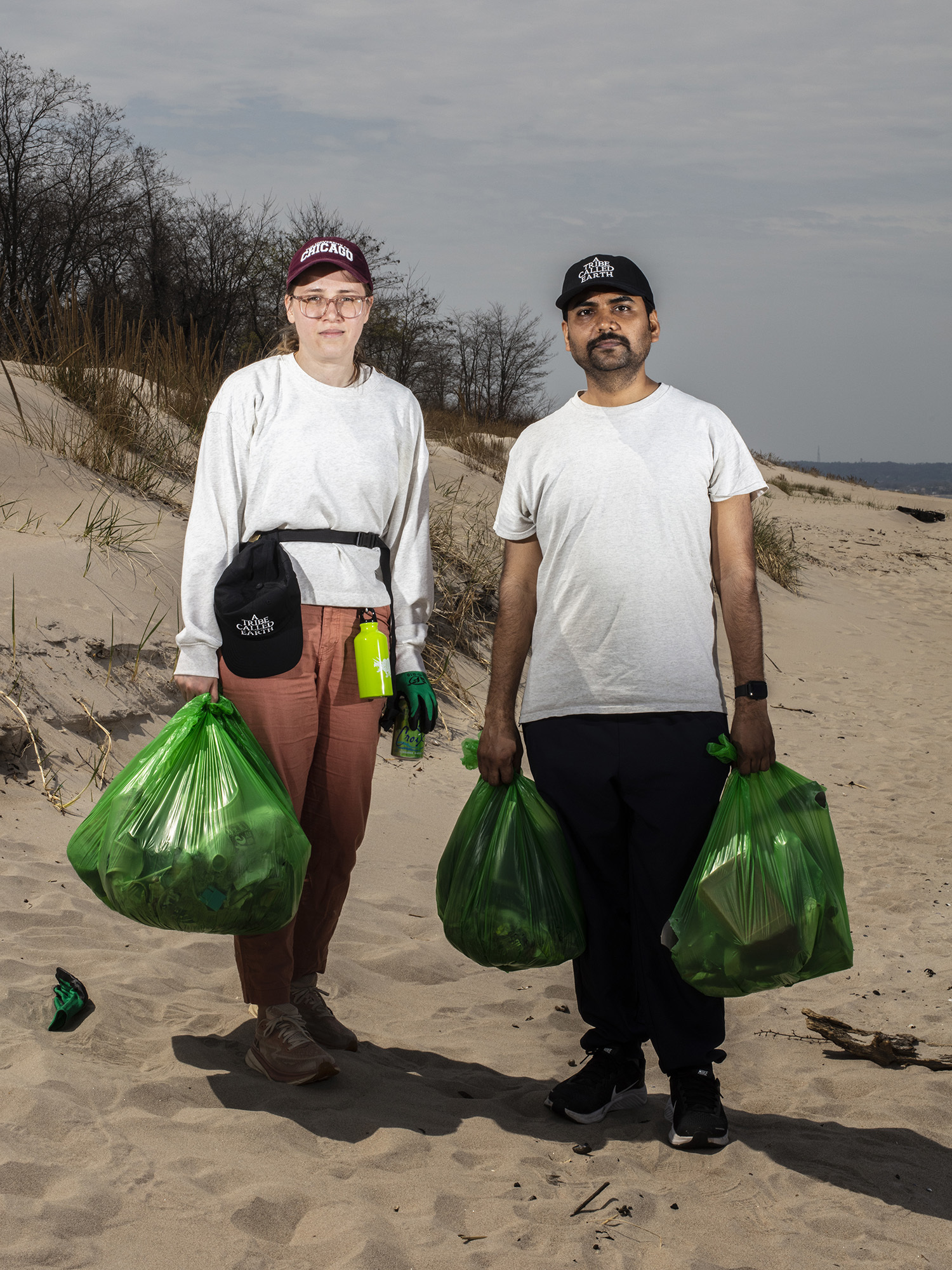
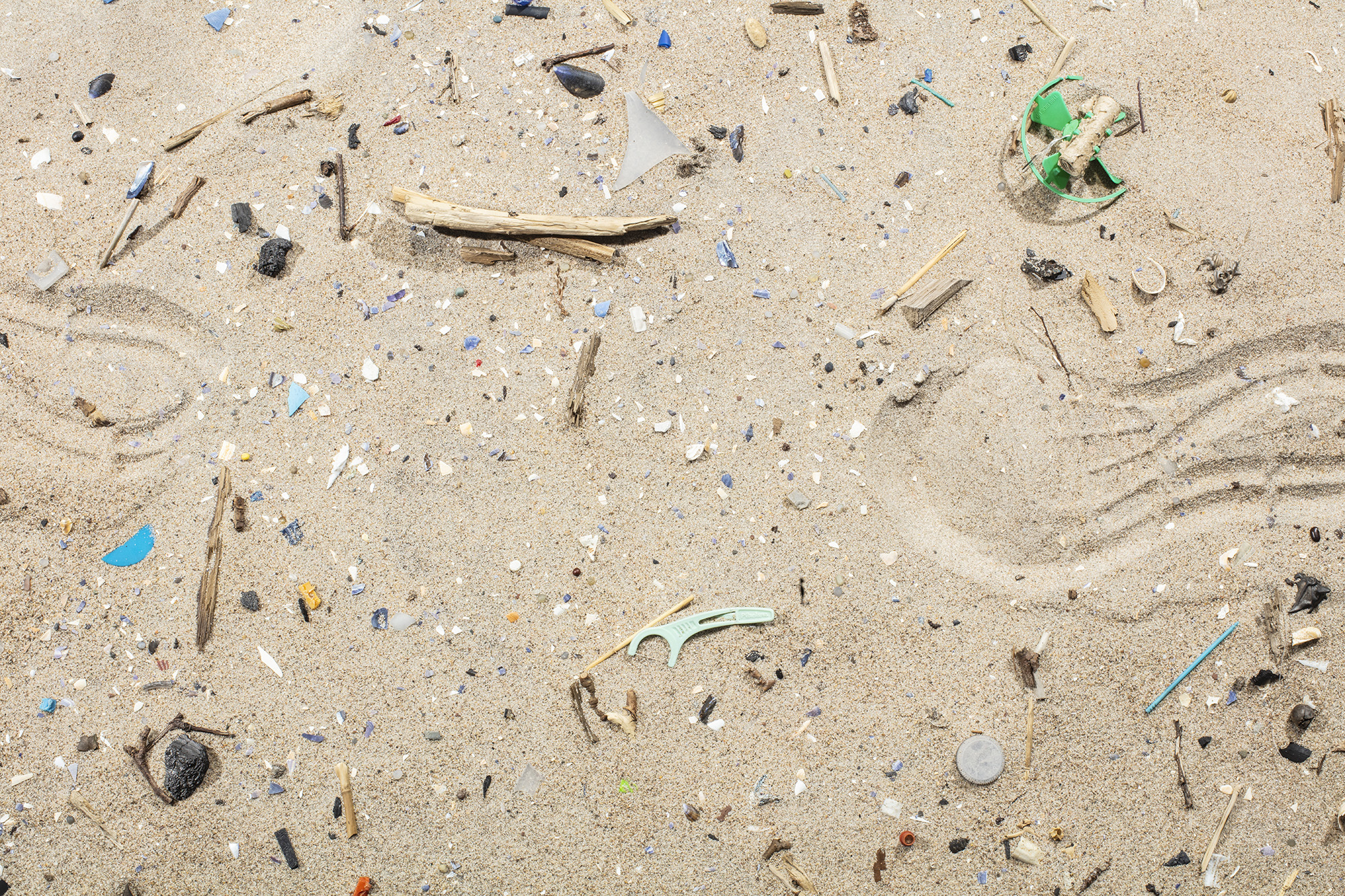
Volunteers with A Tribe Called Earth, a New York City–based environmental organization, clean up plastic waste at Coney Island Creek Park in Brooklyn, N.Y. Even after a full day of cleanup efforts, the sand remained speckled with plastic fragments of different shapes, sizes, and colors.
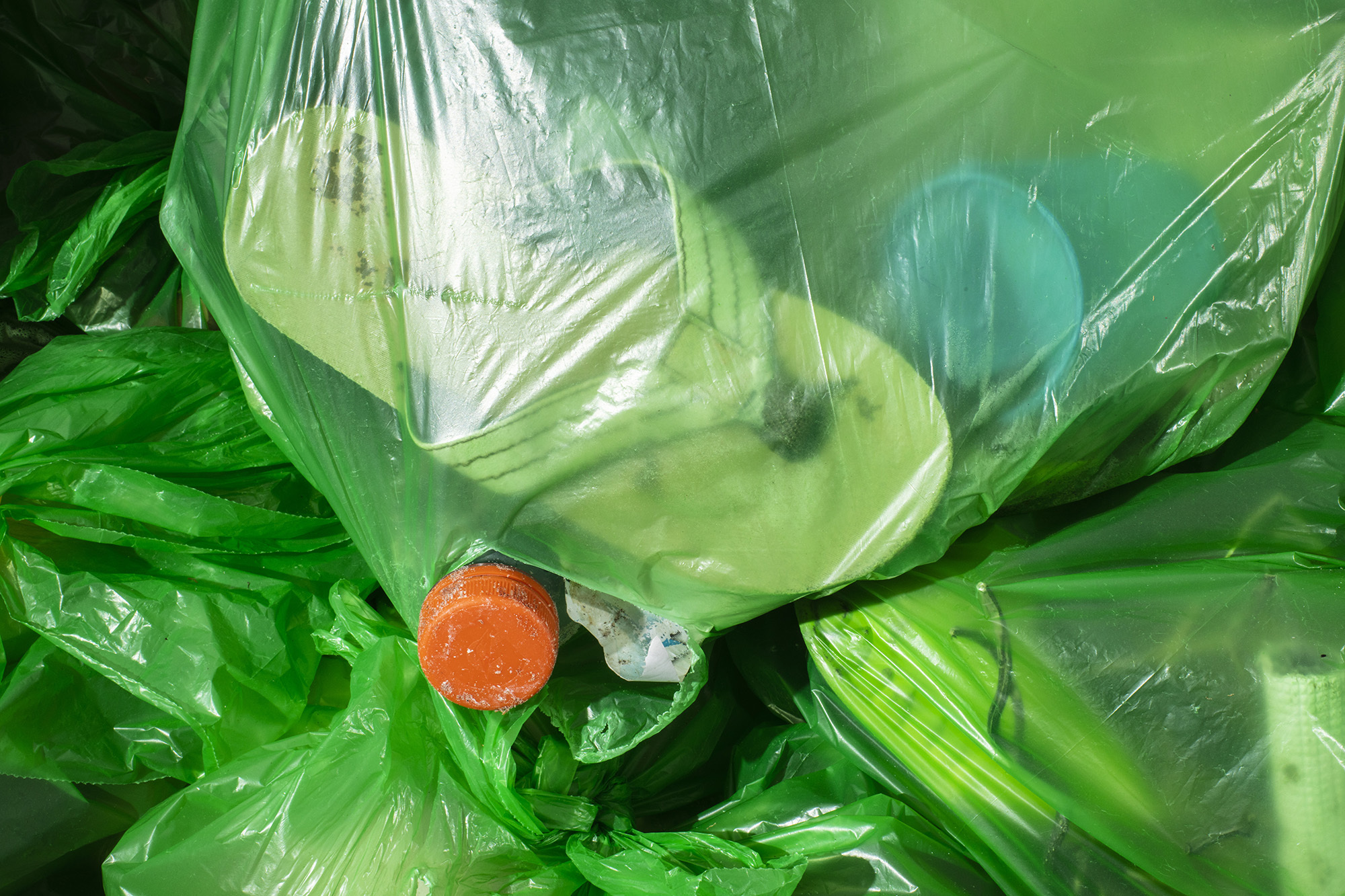
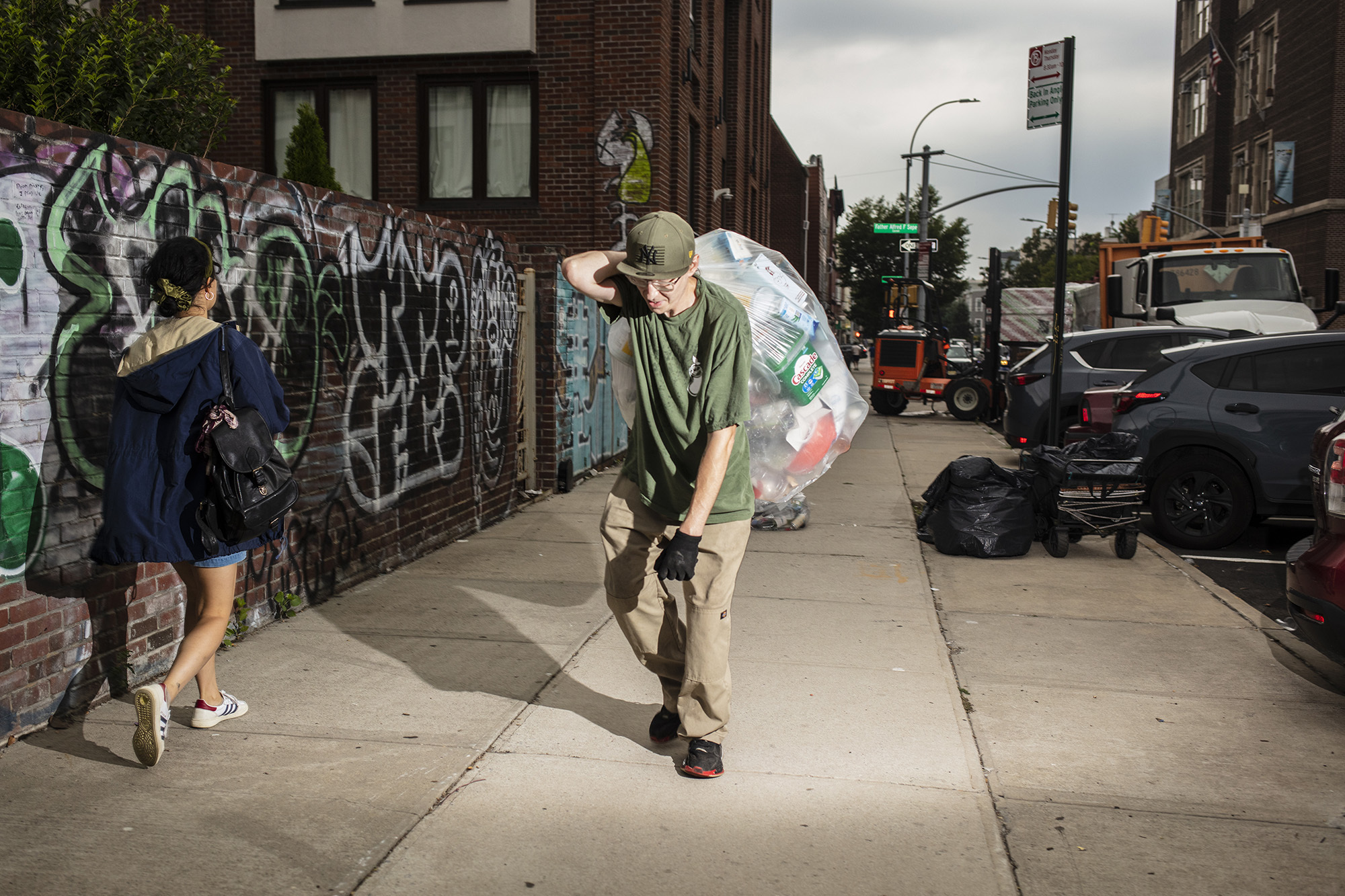
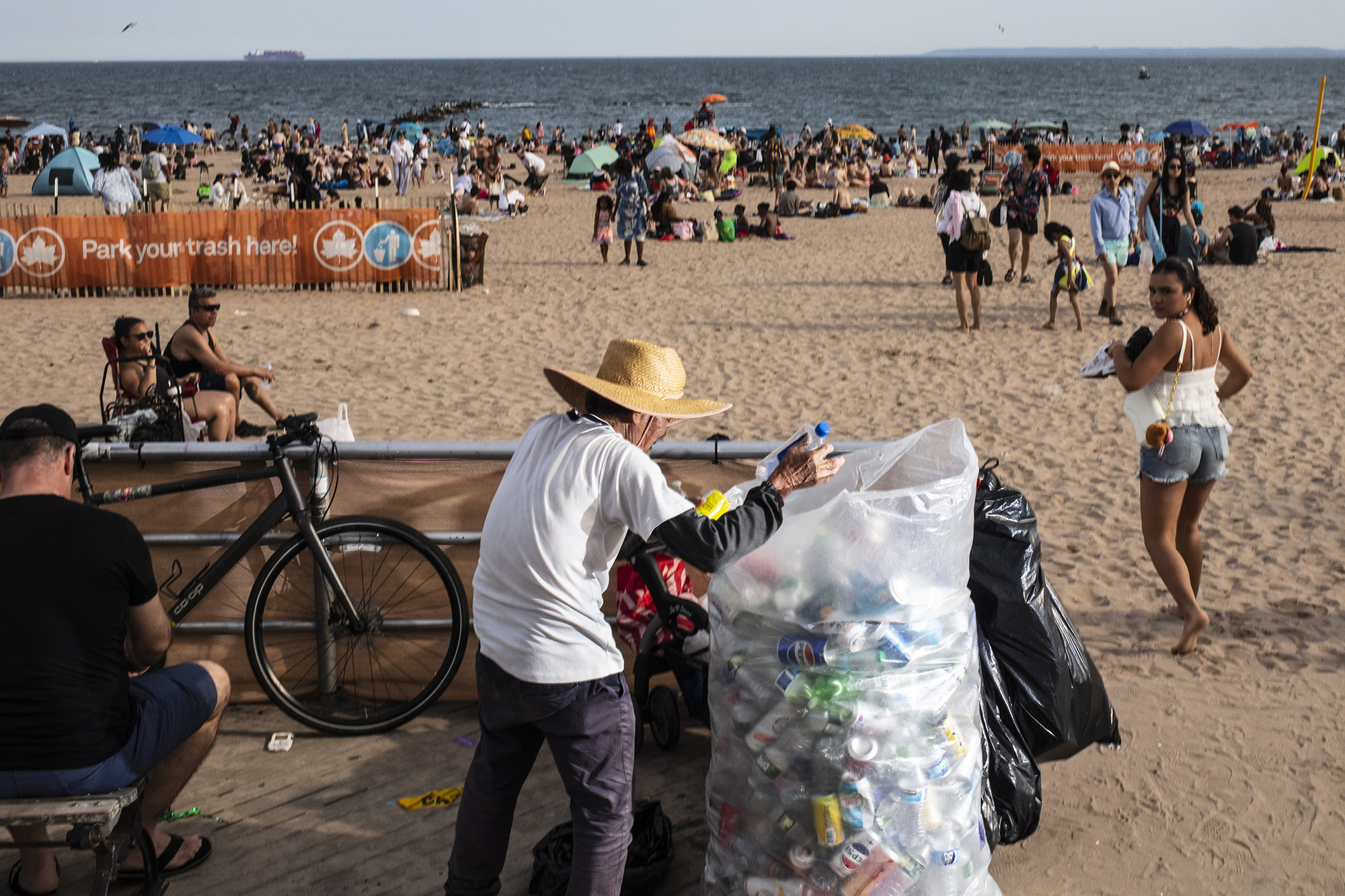
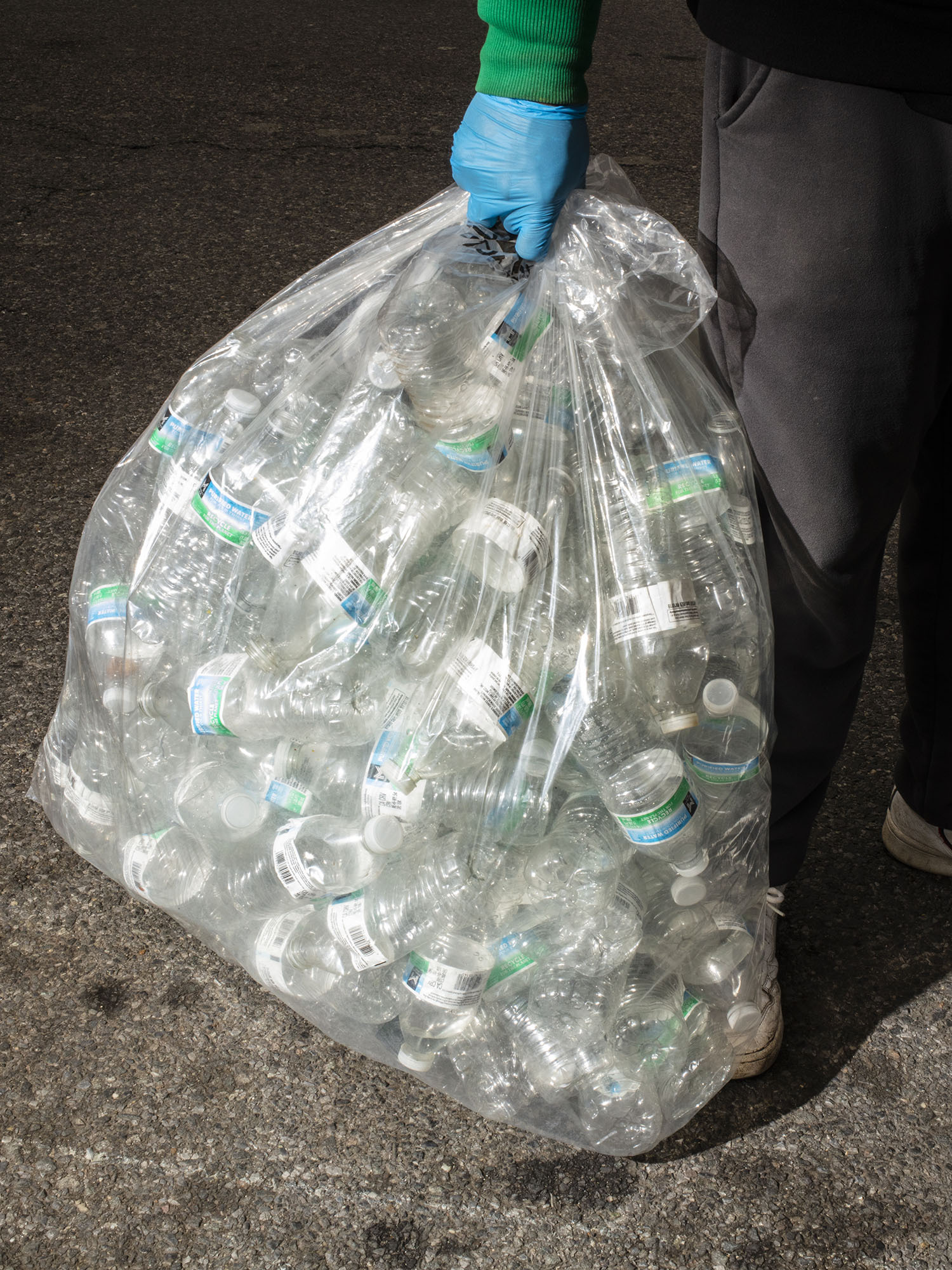
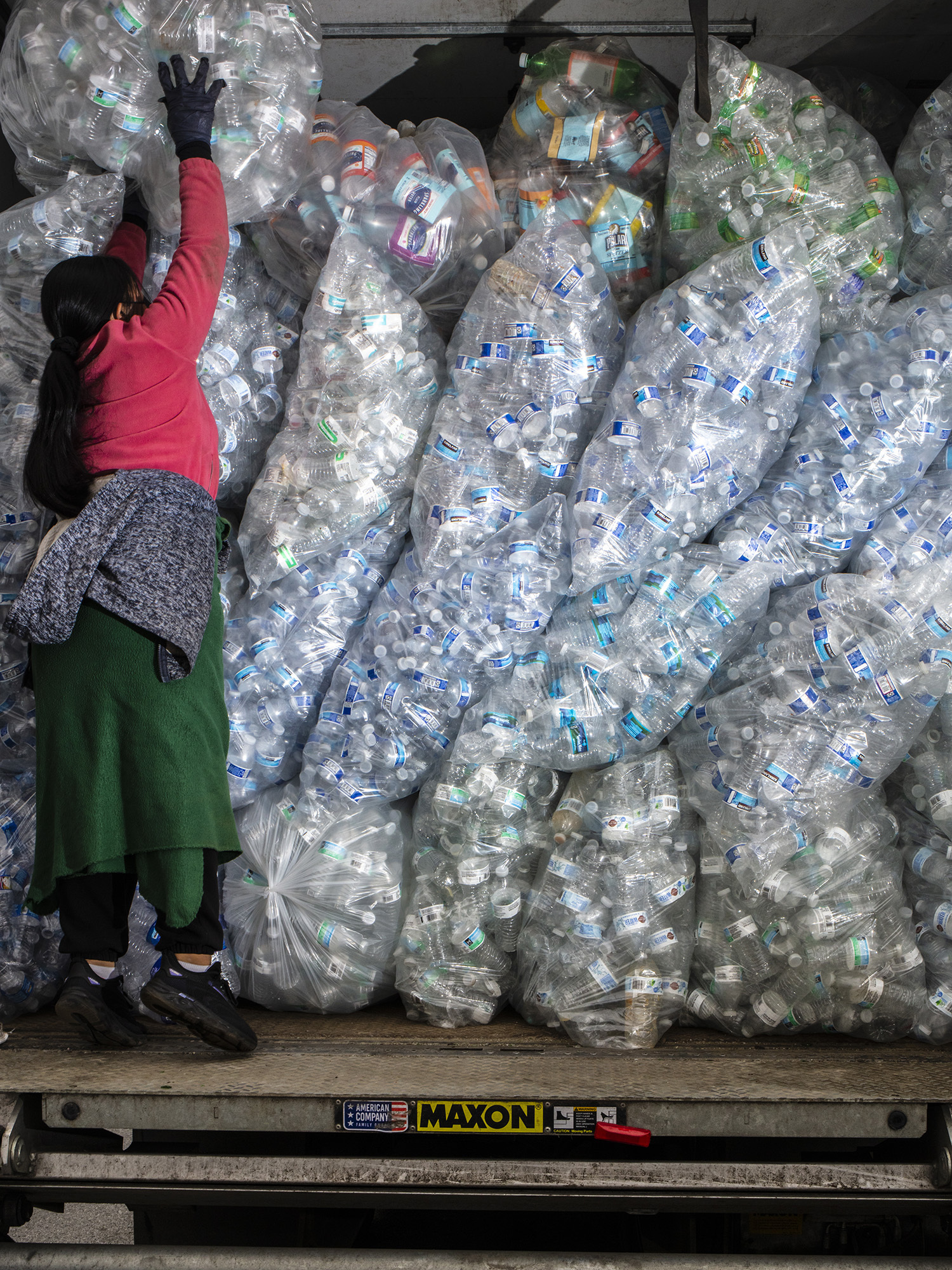
Bottle collectors are pervasive around New York City, gathering discarded bottles and cans that can be redeemed for cash.
Sure We Can is the city's last nonprofit redemption center.
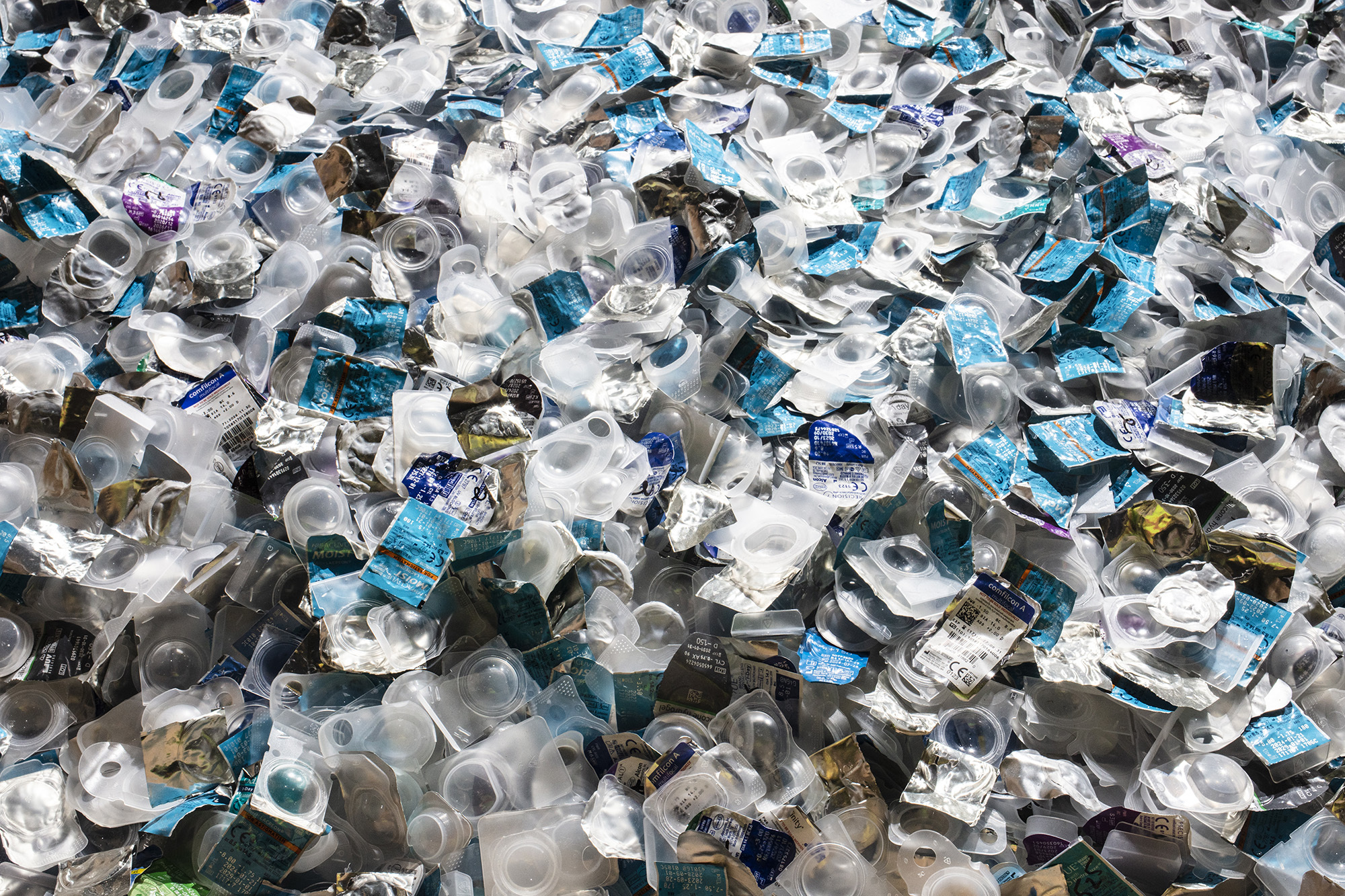
Plastics are made largely from oil and gas. In the US, the fracking boom created a glut of cheap natural gas, including ethane, a key ingredient in plastic production. As gas prices fell, the plastics industry became a lucrative outlet for the oil and gas sector, helping absorb the oversupply and spurring investment in new plastic manufacturing facilities.
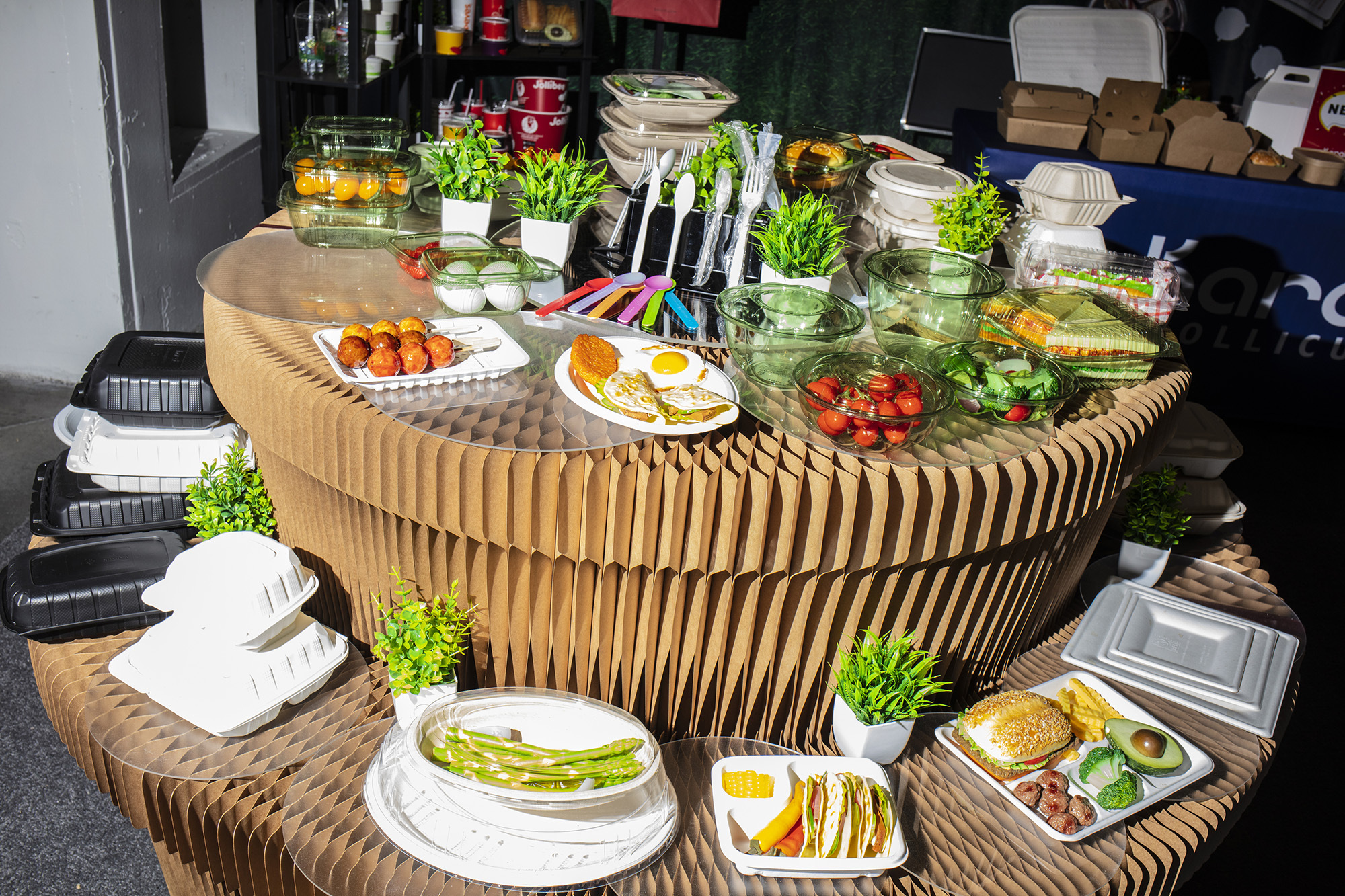
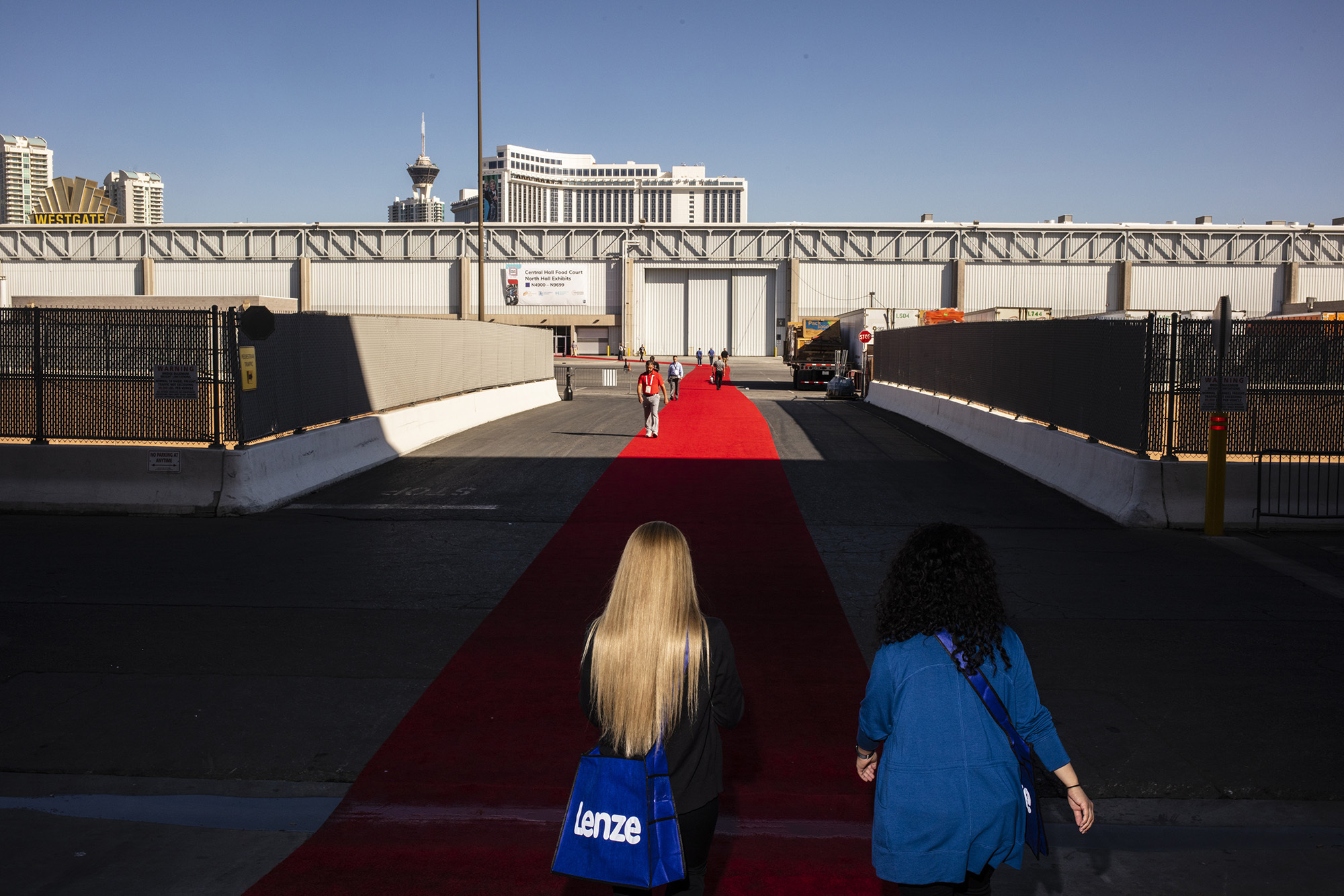
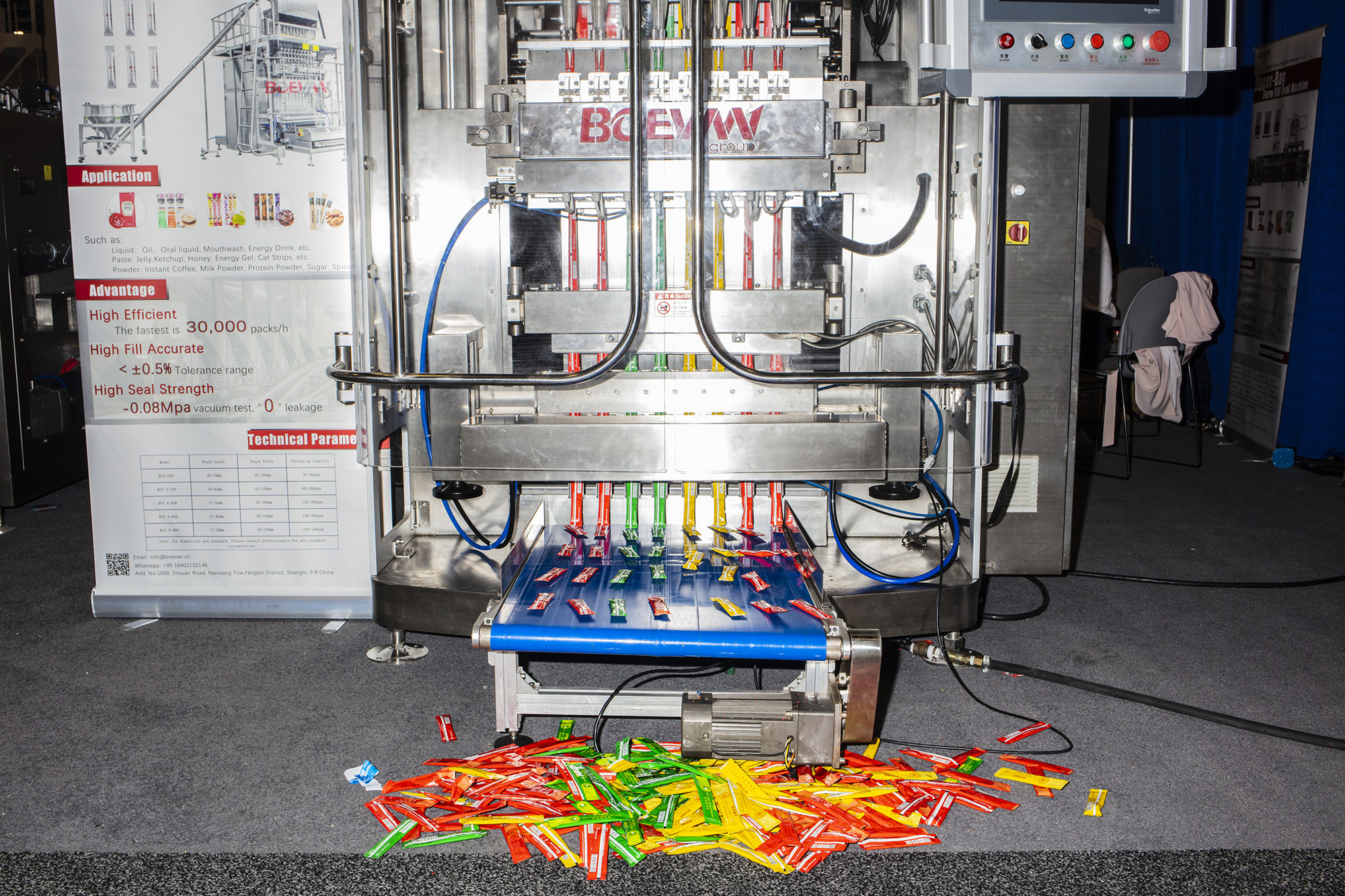
PACK EXPO at the Las Vegas, Nevada Convention Center brings together global leaders in packaging and plastics manufacturing. The trade show highlights how deeply plastics are embedded in modern packaging—and the industry’s growing challenge to innovate toward sustainability.
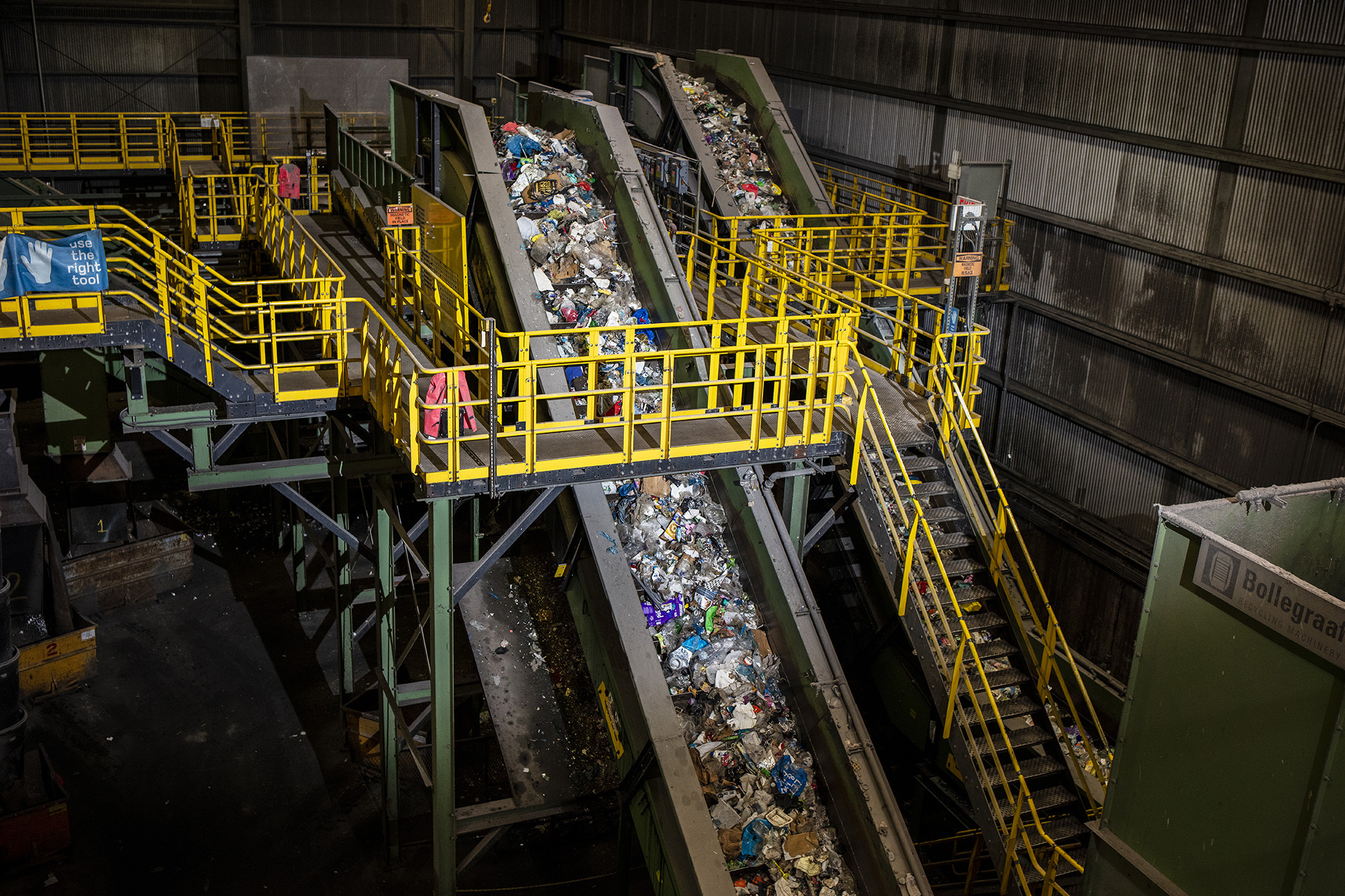
New York City has the largest municipal recycling program in the United States, and the Sims Municipal Recycling - Sunset Park Material Recovery Facility In Brooklyn is the largest recycling facility in North America
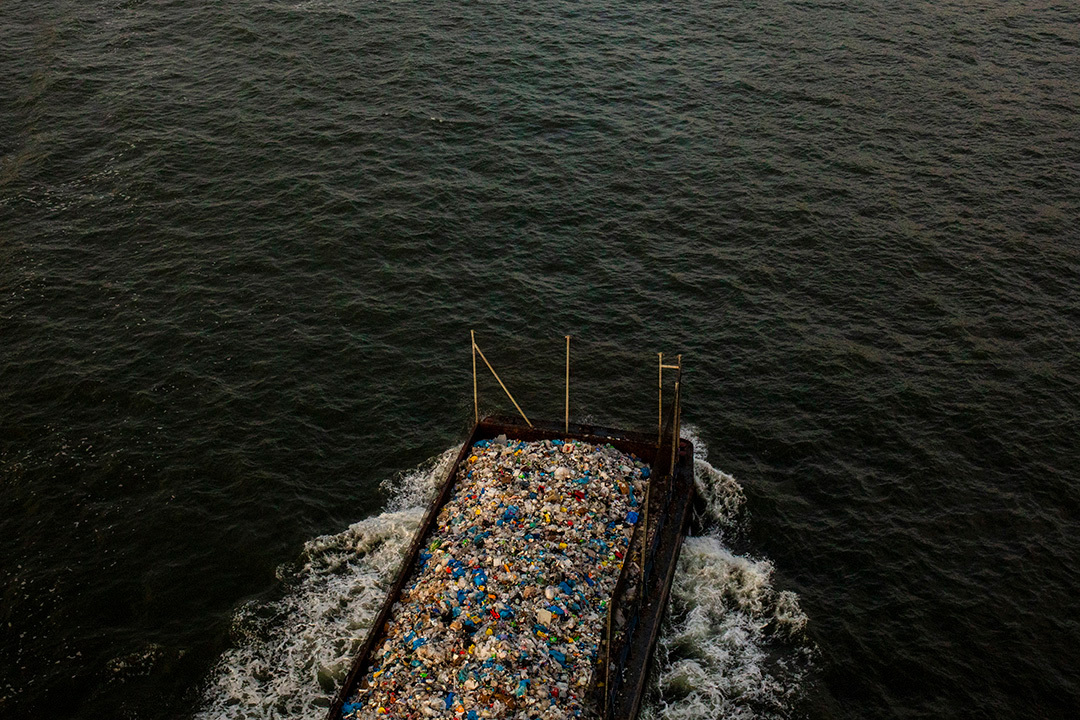
Before 2018, 70% of plastic waste in the U.S. was exported to China. That stopped when the Chinese government banned plastics that have a contamination level (meaning labels, food, adhesives), above 0.05 percent.
A barge carrying recyclables heads south down the East River in New York, N.Y.

The Tiffany family lives in Marcus Hook, Pa., along the Delaware River, between the Reworld trash incinerator (formerly Covanta) in nearby Chester and the Marcus Hook Industrial Complex, a hub for processing and transporting natural gas liquids.
Communities along this heavily industrialized stretch of the Delaware River face elevated health risks. In parts of Chester, asthma rates reach 15%, more than double the approximately 7% reported in neighboring communities outside designated environmental justice areas. The U.S. Environmental Protection Agency has also identified elevated cancer risks from toxic air pollution in the region.
Rebekah Tiffany suffers from asthma, as does her eldest son (not pictured).
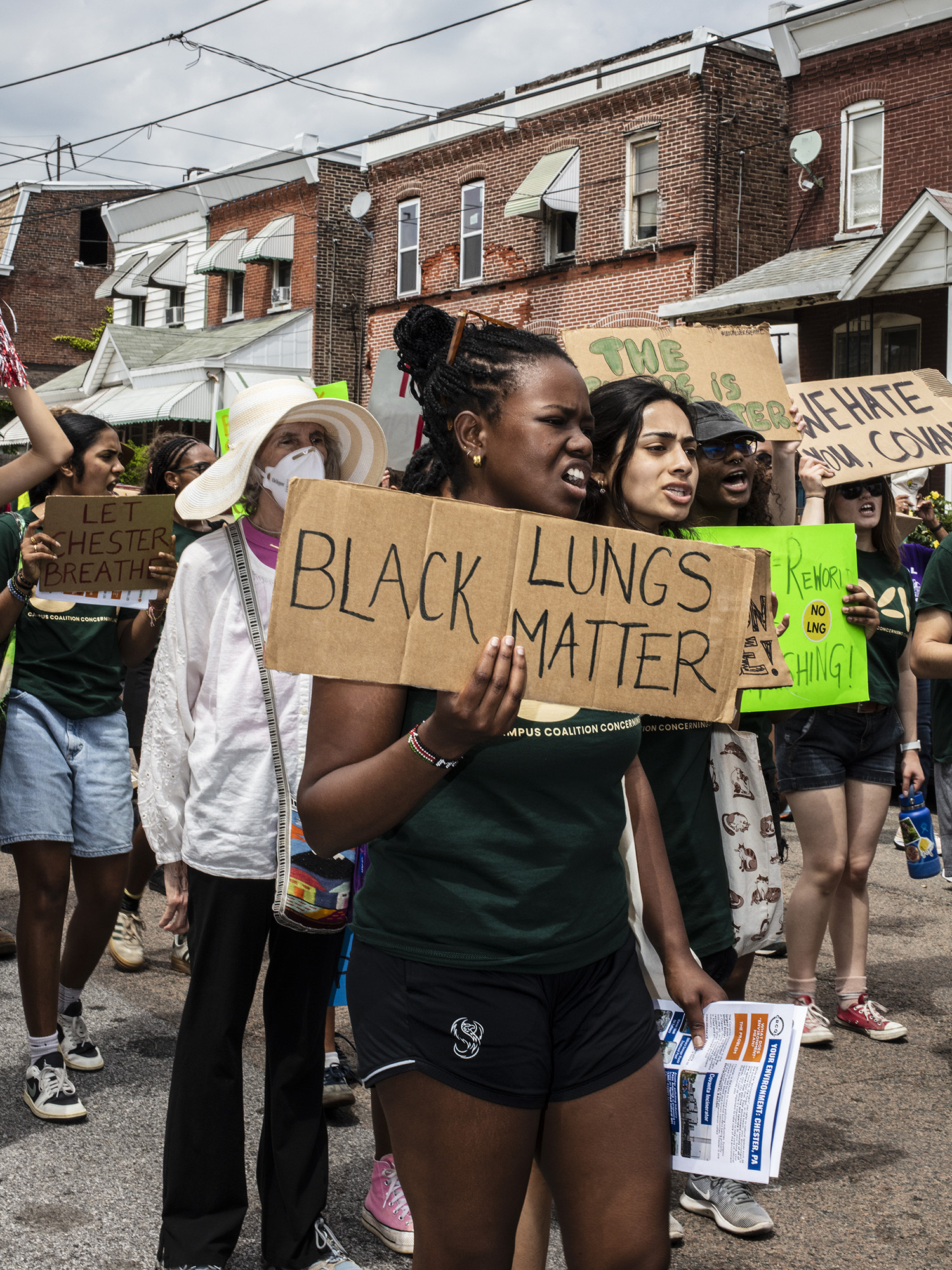
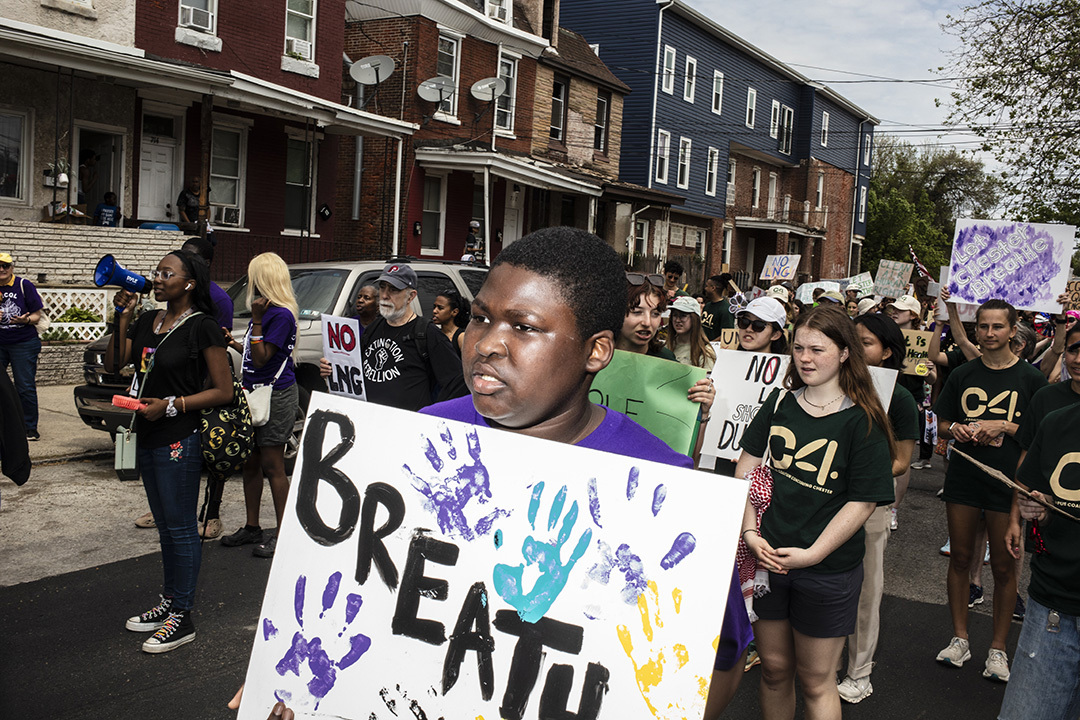
In communities where plastic waste is processed or disposed of, residents have spent decades fighting the health and environmental consequences of the country’s throwaway economy. Among them are members of Chester Residents Concerned for Quality Living (CRCQL), an environmental justice organization in Chester, Pennsylvania, that has long opposed the concentration of waste facilities in the predominantly Black city. Pictured here, members protest outside a trash incinerator formerly operated under the name Covanta, which was rebranded as Reworld in 2024.
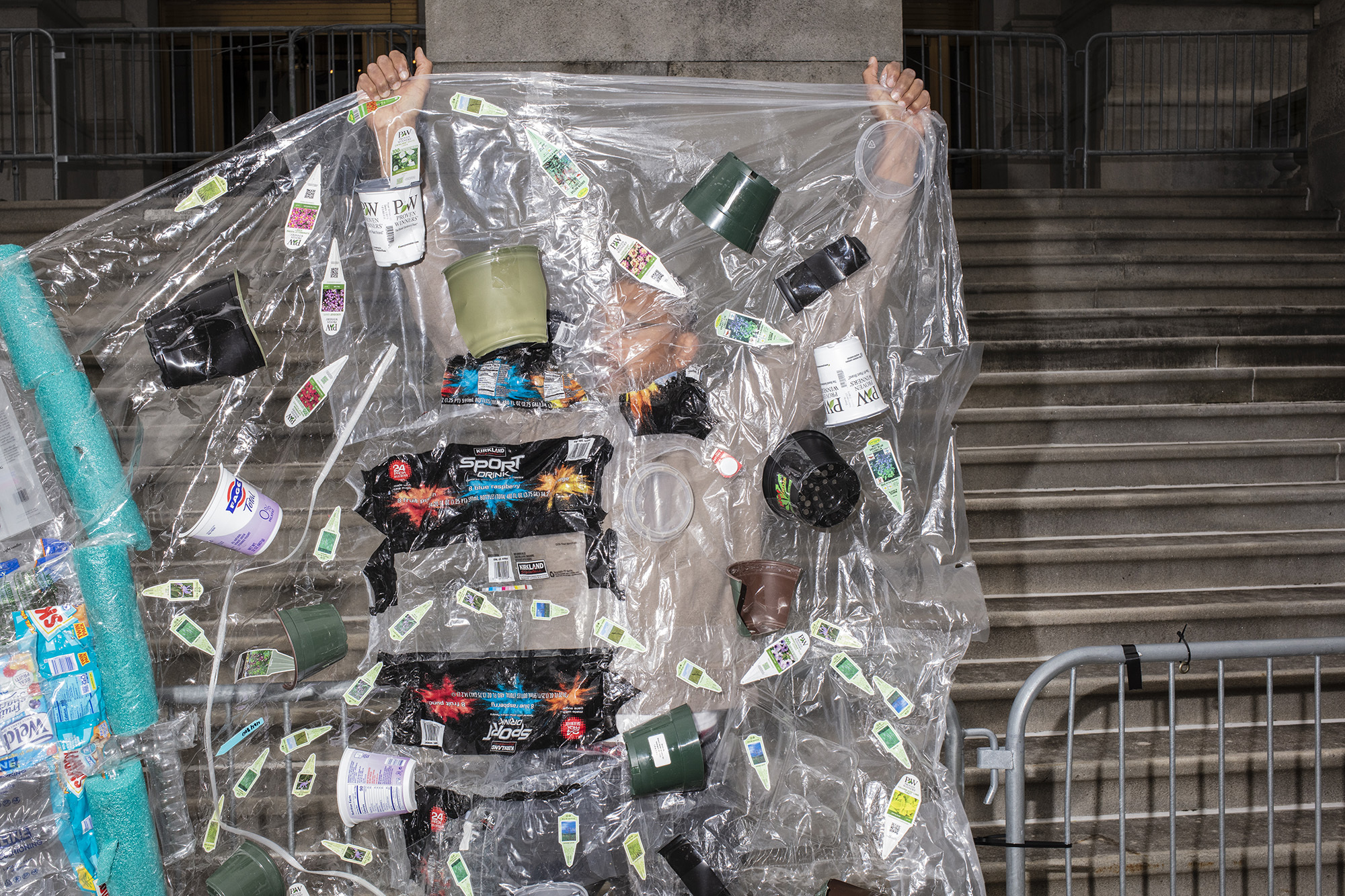
“People Over Plastic” rally organized by Beyond Plastics at the New York State Capitol in Albany, N.Y. The demonstrators called for passage of New York’s Packaging Reduction and Recycling Infrastructure Act, which would require companies to reduce packaging waste and make more of their packaging recyclable. Although the bill passed the State Senate, it failed to reach a vote in the Assembly for the third consecutive year in 2026, amid intense lobbying by the plastics and packaging industries.
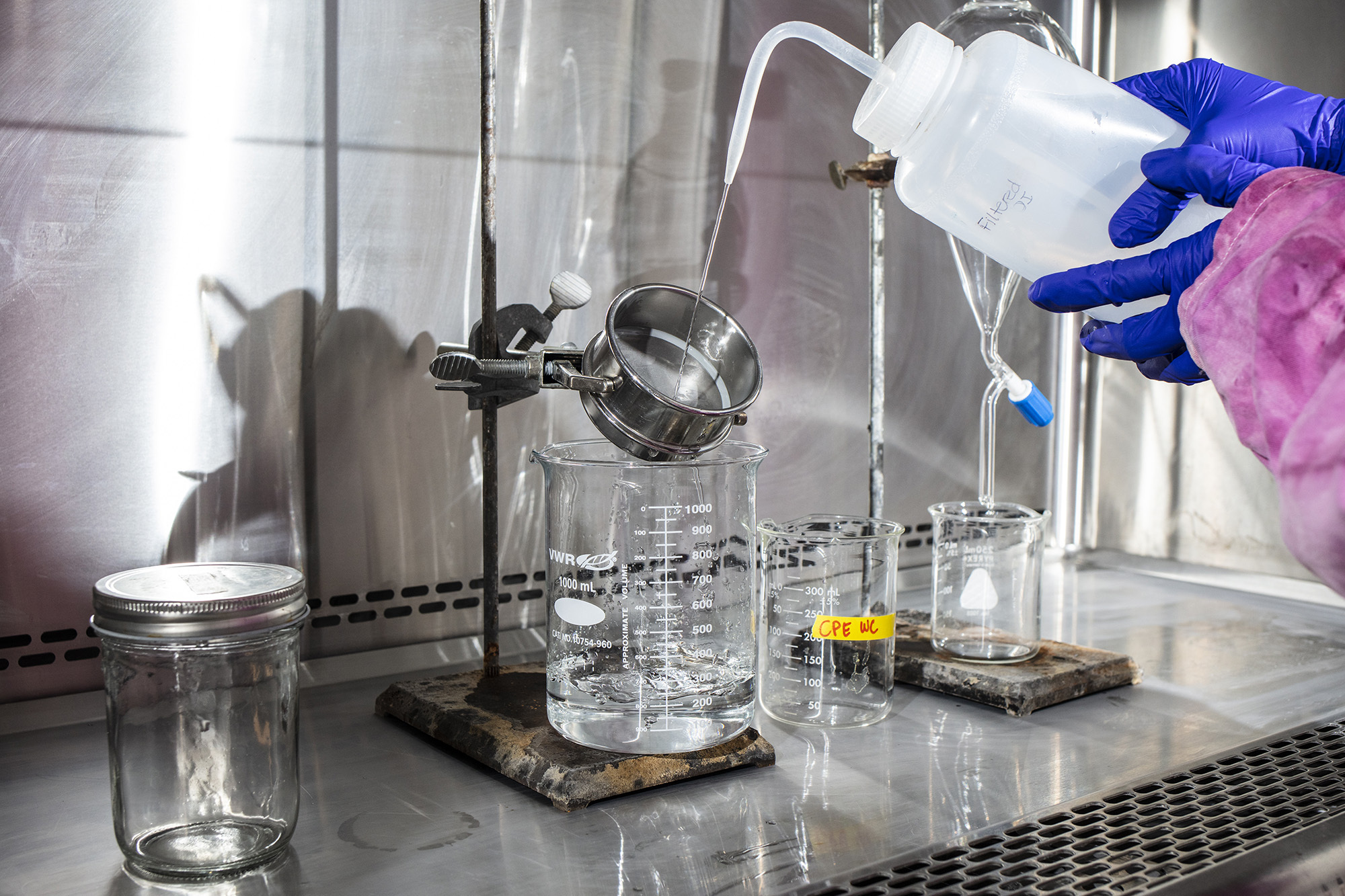
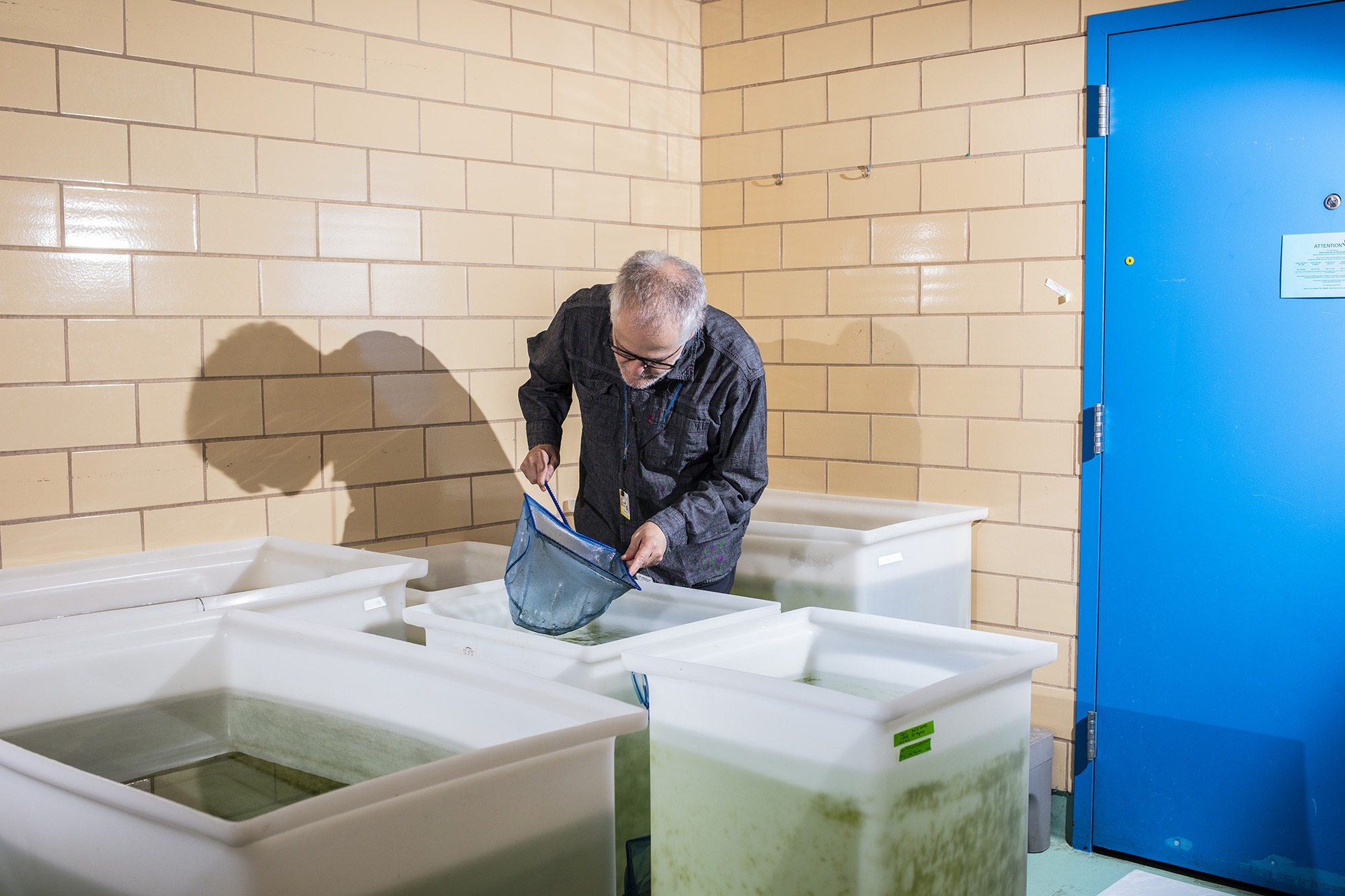
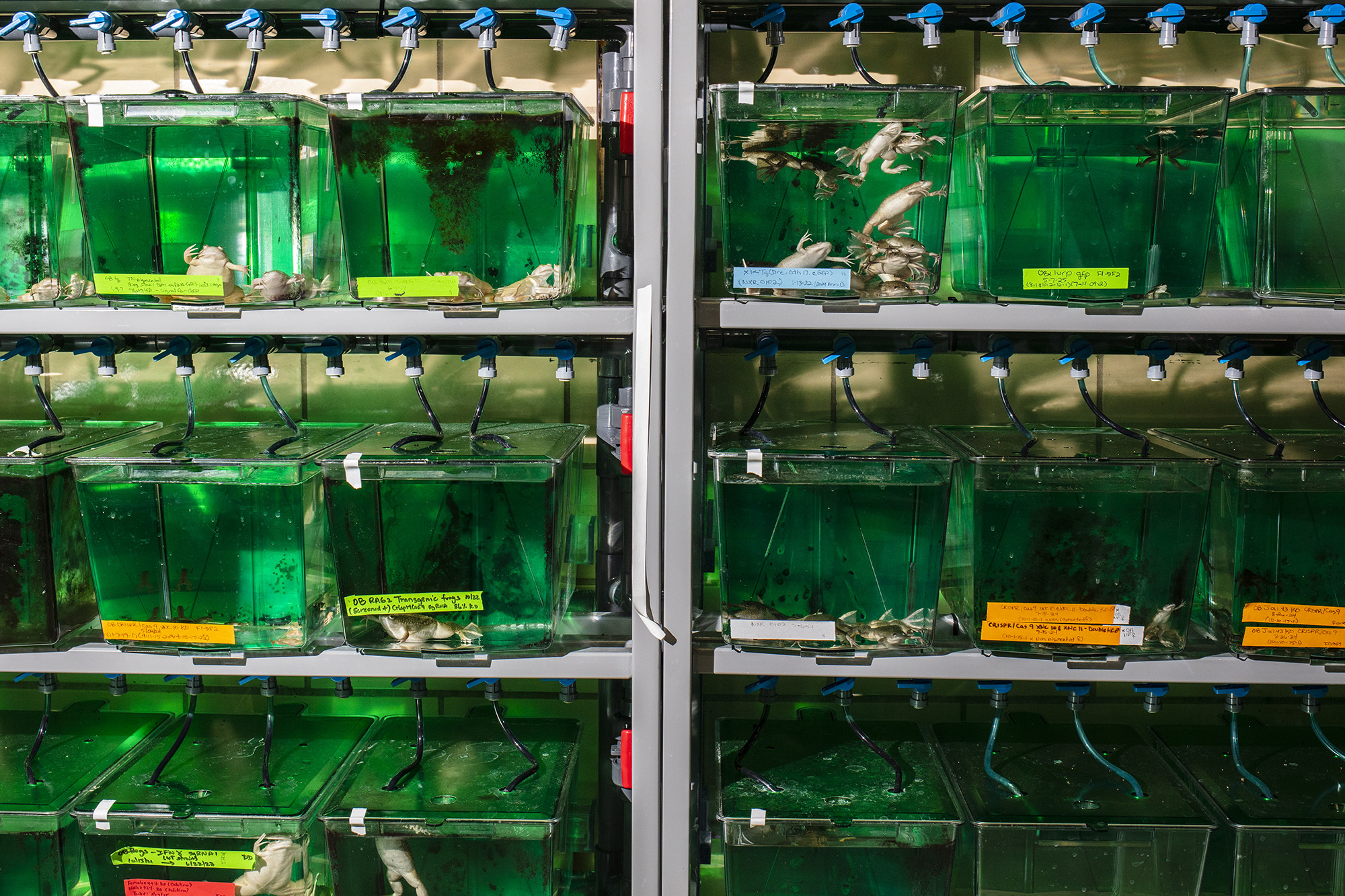
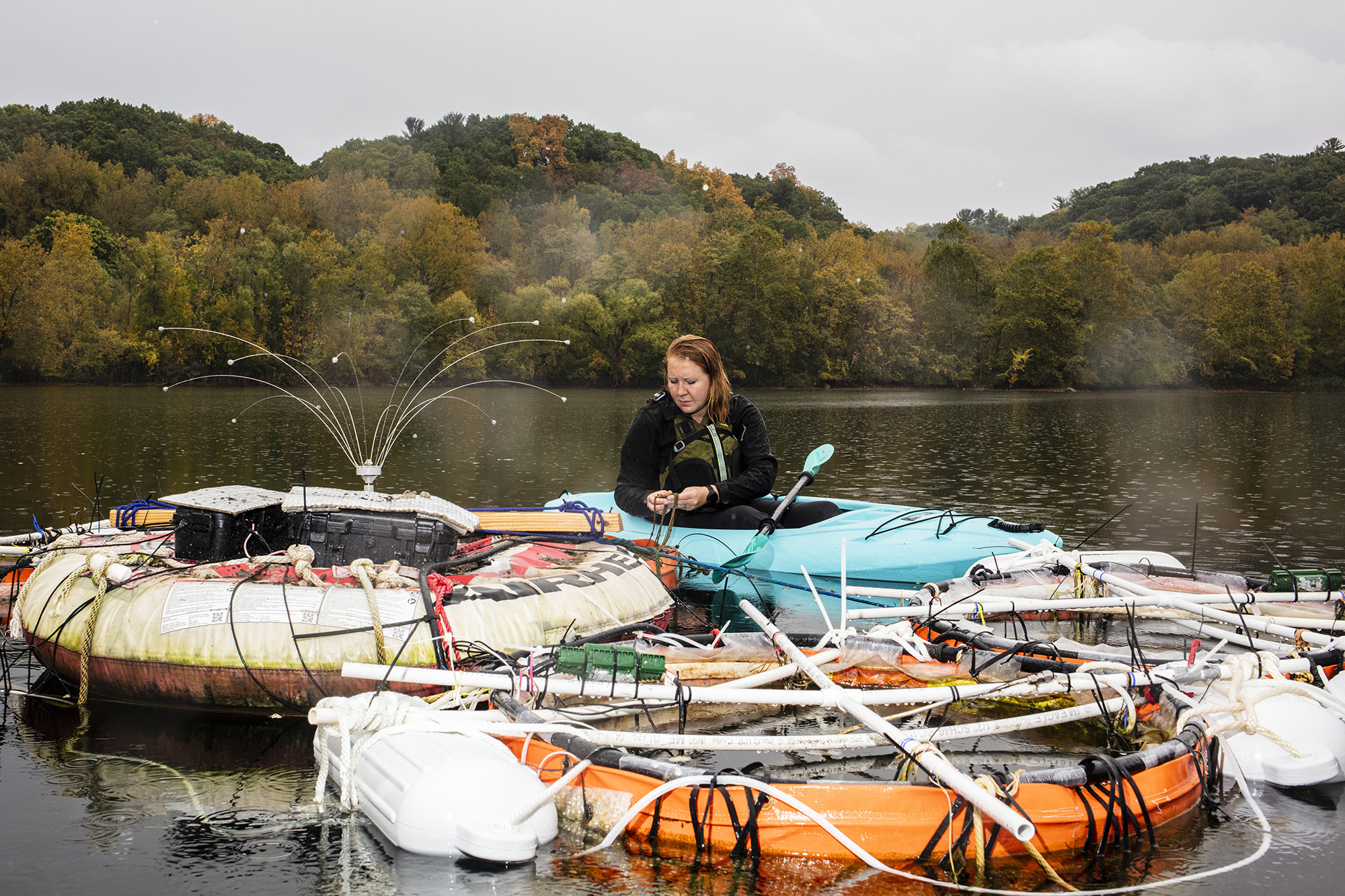
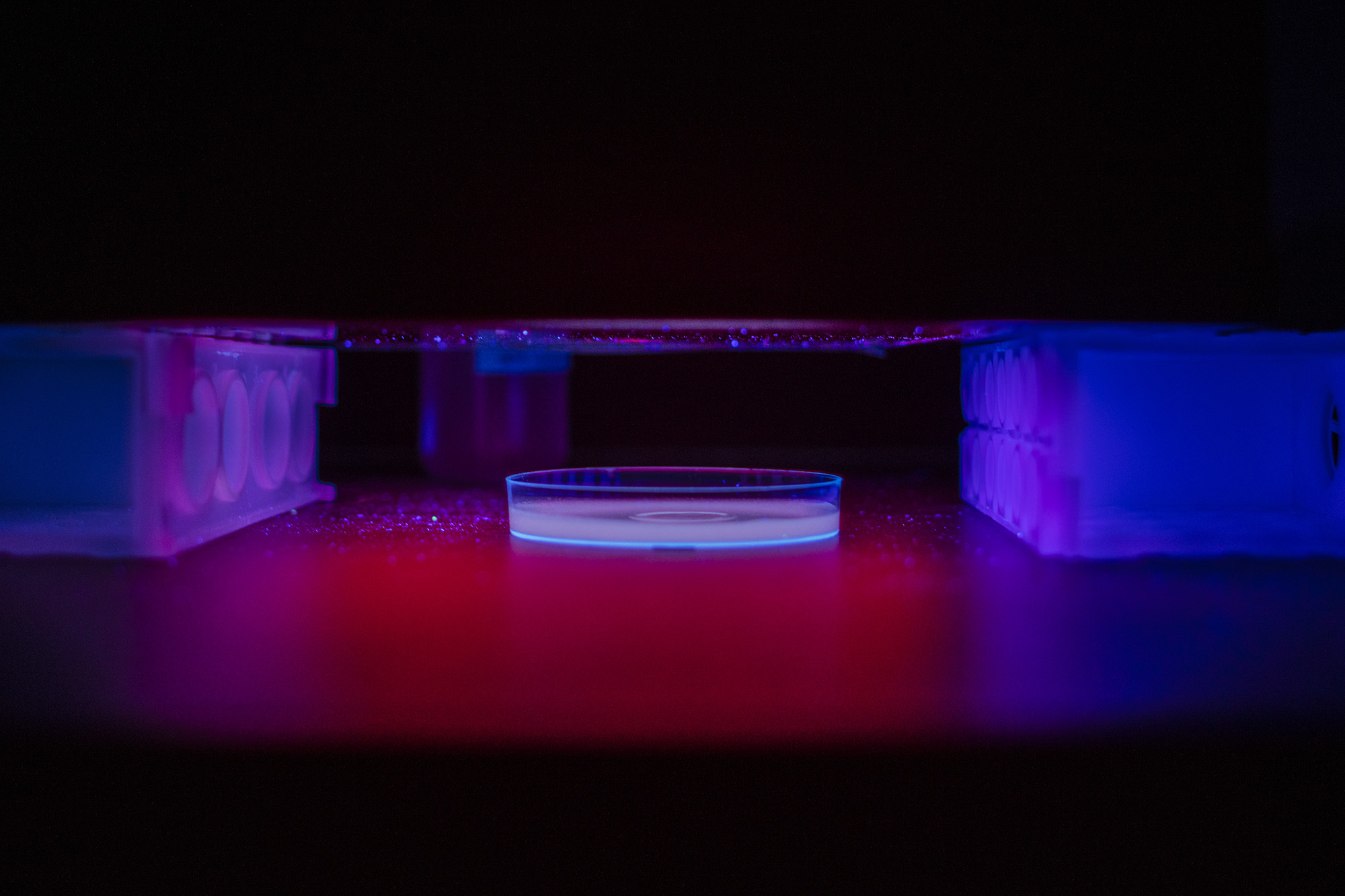
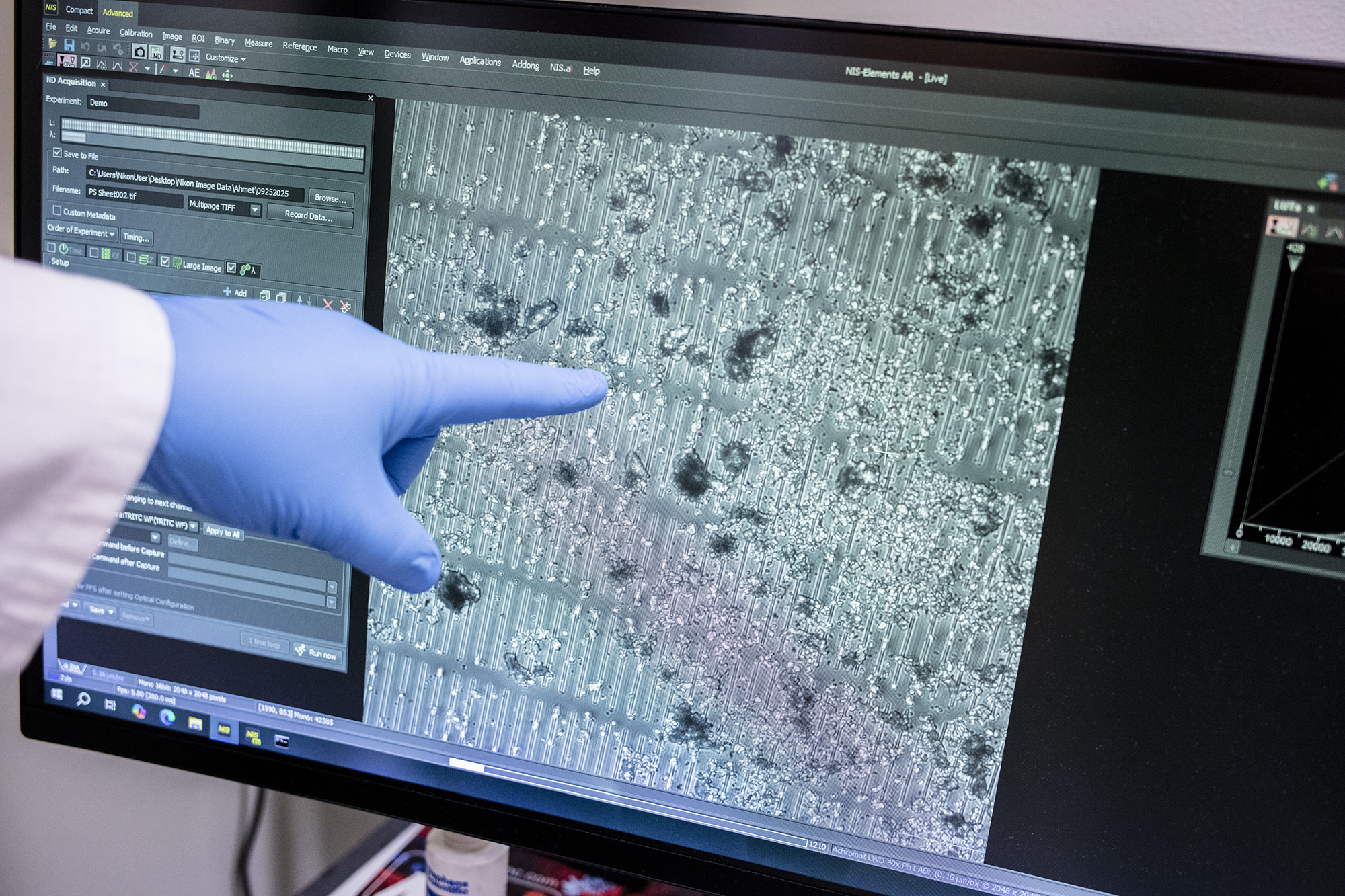
Researchers at the University of Rochester and Rochester Institute of Technology (RIT) are investigating how microplastics enter and move through the environment, how they break down, and what their presence may mean for ecosystems and human health.
1. A water sample is tested for microplastic contamination at Rochester Institute of Technology in Rochester, N.Y.
2. Dr. Jacques Robert studies how microplastics affect the immune systems of tadpoles at the University of Rochester.
3. At RIT’s Tait Preserve in Rochester, N.Y., sustainability PhD candidate Sydney VanWinkle studies how plastics break down in freshwater under different temperatures and pH levels.
4. A 3D-printed bacterial biofilm glows under ultraviolet light at the University of Rochester’s Anne Meyer Lab. Researchers are engineering living materials that could one day help break down plastic waste and address other forms of environmental pollution.
5. A computer screen displays a magnified image of polystyrene microplastics filtered from a water sample using a nanomembrane at the University of Rochester’s McGrath Lab in Rochester, N.Y.

Most plastic waste in the United States is never recycled. According to the Environmental Protection Agency, in 2018, just 8.7% of plastic waste was recycled, while 75.5% was sent to landfills and 15.8% was burned to generate energy.
1. The Wheelabrator Putnam Ash Residue Landfill in Putnam, Conn., receives ash from waste incinerators, including the Wheelabrator Westchester facility in Peekskill, N.Y. In 2023 alone, the Peekskill incinerator sent 157,382 tons of ash to the landfill. Wastewater draining from the landfill is collected and sent to a treatment plant, raising concerns about potential contamination of groundwater and the nearby Quinebaug River.
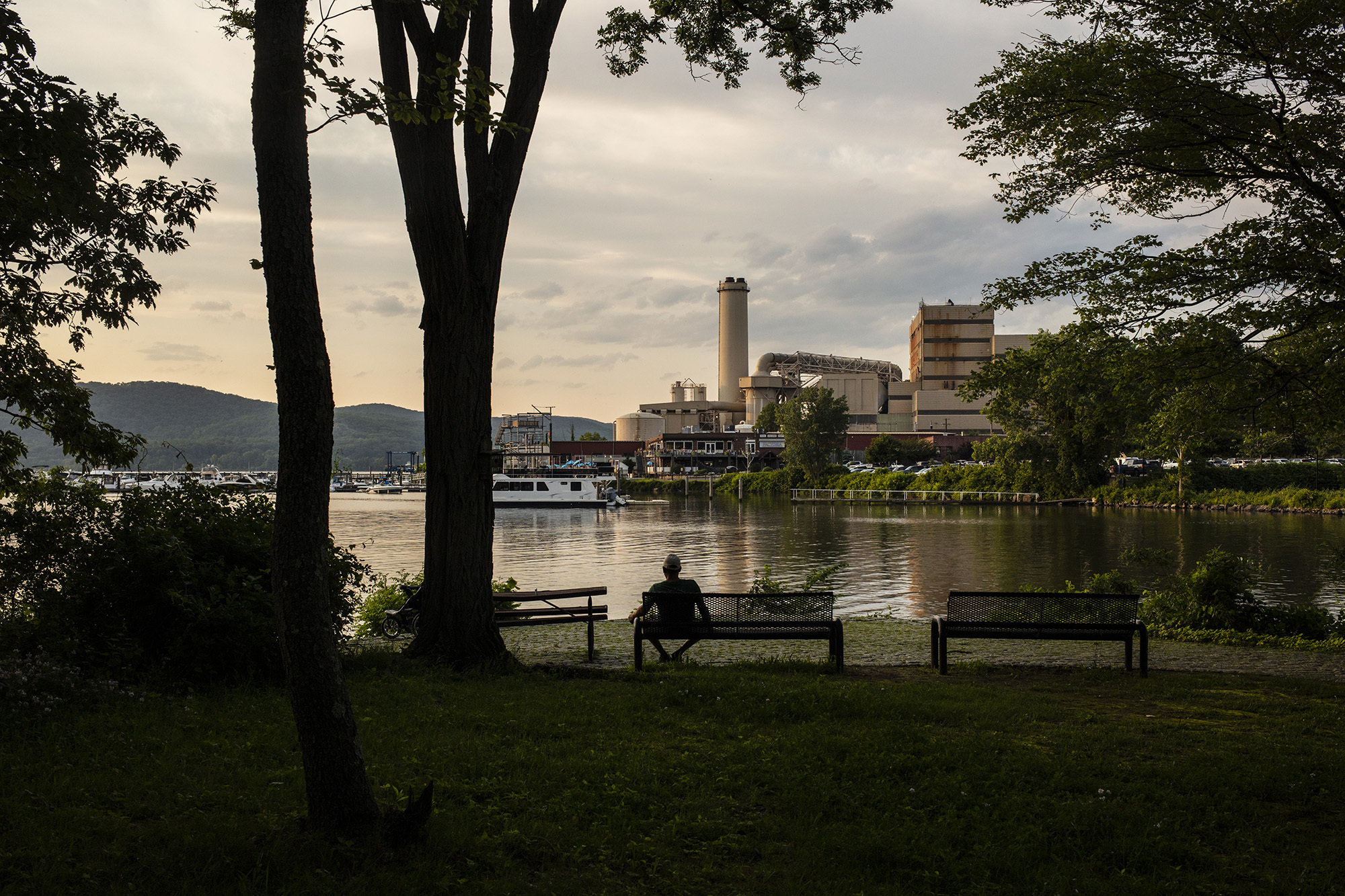
2. The Wheelabrator Westchester incinerator in Peekskill, N.Y., burns municipal waste to generate electricity. While incineration reduces the volume of waste sent to landfills, it produces ash that must still be disposed of, creating another potential source of environmental contamination.